
.png
)
-
October 30, 2026
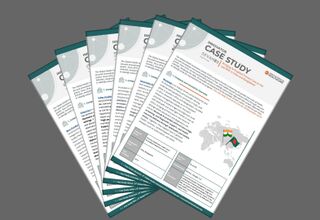
GHIG9 Case Studies – Full Series
The program aimed to strengthen health systems in low- and middle-income countries by supporting organizations that use artificial intelligence (AI). It prioritized AI-driven solutions in community and primary care to improve the prevention, diagnosis, and treatment of infectious diseases, oncology, antimicrobial resistance, and maternal and child health for underserved populations.
-
October 12, 2026
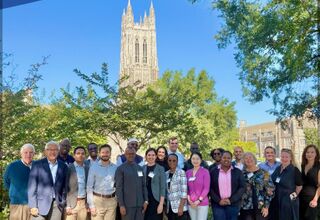
Marking 15 years: Duke Global Health Innovations Center and Innovations in Healthcare celebrate!
From October 7–9, 2026, innovators and friends from around the world came to celebrate Innovations in Healthcare turning 15 and Duke Global Health Innovations Center turning 10.
-

October 02, 2026
The New “LLMs”: How Long-Lasting Mechanisms for Decision-making Can Turn AI Investment into Lasting Impact
AI is attracting new attention—and significant new investments—across global health. That momentum creates real opportunity, but technology alone will not improve health outcomes. Introduced without trusted institutions, sound policy, usable evidence, sustainable financing, and the capacity to integrate new tools into existing services, AI can deepen fragmentation and widen disparities rather than solve them. The article argues that countries need more than funding for a growing menu of AI applications. They need durable, country-owned mechanisms to compare those tools with one another and with other health priorities, decide what to introduce and when, and determine how promising approaches can be financed and sustained. AI can strengthen public judgment by making evidence and tradeoffs more visible; it cannot replace the people and institutions accountable for making those choices.
-
September 17, 2026
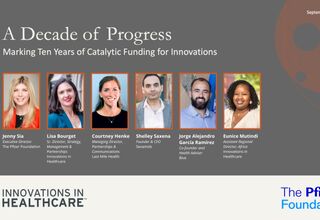
A Decade of Progress: Marking Ten Years of Catalytic Funding for Innovations (Webinar)
On September 17, 2026 we hosted a webinar to mark a decade behind us and many more to go. Innovations in Healthcare, The Pfizer Foundation, and innovators around the world gathered for a webinar reflecting on what we’ve learned and what’s ahead in the world of global health catalytic funding. A report on our decade of work informed our discussion, as did two case studies from grantees' work in Kenya and Haiti.
-
August 28, 2026
Newsletters: Innovate and Inspire + Friday Funds